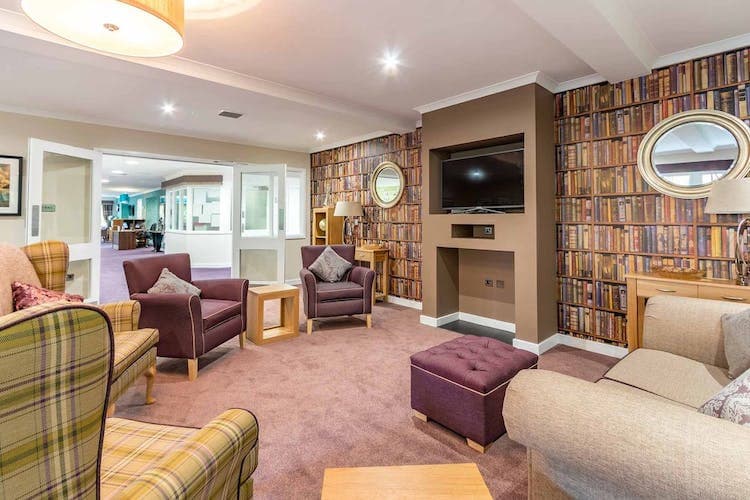
Shelburne Lodge Care Home
CQC Good
Nestled in the heart of High Wycombe, you'll find Shelburne Lodge, a Barchester care home renowned for its exceptional 24-hour nursing care. This home boasts a…
DementiaResidentialRespiteNursing
High Wycombe is a busy market town in the South East with a slightly above-average share of older residents and two care homes both rated Good by the Care Quality Commission. It offers reasonable everyday amenities and green space, though it's a town rather than a quiet retirement haven—and crime levels sit above the national average.
Average residential fee in High Wycombe: £1,459/week — above the UK average of £1,279
Limited — safer than 28% of similar areas
Excellent — parks, playing fields & outdoor space nearby
Excellent — shops, supermarkets & places to eat nearby
Grades are relative, comparing this area against others of the same type across the UK. Amenity grades are based on OpenStreetMap counts within a fixed radius. The Safety grade ranks recorded police crime — per head of population where ONS figures are available, otherwise by total recorded crime. Figures are estimates to aid research, not a substitute for visiting an area.
Sources — crime: Police.uk, April 2026; amenities: OpenStreetMap, updated June 2026.
The estimated average residential care fee in High Wycombe is about £1,459/week, above the UK average of £1,279.
Estimated from published weekly fees for homes in the area. Actual costs vary by care needs and room type.
100% of High Wycombe’s CQC-rated care homes are rated Good or Outstanding — above the national average of 79%, including 2 rated Outstanding.
Of the homes in and around High Wycombe, 1 offer nursing care, 1 offer dementia care and 2 offer residential care.
Based on 7 CQC-rated homes in and around High Wycombe. National baseline: CQC State of Care (2024/25).
The average residential care home in High Wycombe costs about £1,459/week, while Buckinghamshire’s published usual rate is around £1,188/week (2025). If you qualify for council funding, expect a likely third-party top-up of about £271/week (≈ £14,092/year) to bridge the gap.
Estimate only. Councils fund care only when the person’s assets are below the means-test threshold, and actual fees, funding and top-ups vary by home, room and assessed needs. Compares the area average against Buckinghamshire’s published usual cost of residential care (2025).
Nestled in the heart of High Wycombe, you'll find Shelburne Lodge, a Barchester care home renowned for its exceptional 24-hour nursing care. This home boasts a…
Run a care home, property or business in High Wycombe?
If it’s missing from this page — or a listing looks out of date or incorrect — let us know and we’ll get it added or put right.
Wondering if that’s cheaper than staying put? Compare a care home with care at home, or see who pays.
The average house price in Buckinghamshire is £490,508, based on HM Land Registry data. The graph shows sold-price trends by property type over the last 30 years.
Source: HM Land Registry UK House Price Index, to Jun 2026 (Open Government Licence v3.0). Figures are area averages for the wider local authority, not retirement properties specifically.
Residential care homes provide help with everyday living in a safe, sociable setting — the right choice when someone needs support day to day but not round-the-clock nursing.
Nursing homes provide everything a residential home does, plus registered nurses on site 24 hours a day — for people with ongoing or complex health needs.
Specialist dementia care homes provide trained staff and a carefully designed, calm environment for people living with dementia — supporting safety, routine and wellbeing.
Respite care is a short stay in a care home — to give a family carer a break, or to help someone recover after a hospital stay.
346 crimes reported in April 2026, sourced from Police.uk.
High Wycombe suits families seeking established care provision close to London and the wider South East, with reasonable local services. The two care homes here are both rated Good, and the town's over-65 population (19.1%) is slightly above the national average (18.6%), suggesting a settled later-life community. However, it's a working market town, not a specialist retirement destination, and recorded crime is notably higher than many areas—something to weigh carefully if safety and peace are priorities.
There are 10 care homes listed in and around High Wycombe on AskBart. You can filter them by care type, CQC rating and facilities to find the right fit.
Care homes in High Wycombe range from around £1,459 per week, with averages of £1,459 for residential, £1,459 for dementia, £1,459 for nursing care. Fees vary by home, care type and the level of support required.
The average residential care fee around High Wycombe is about £1,459 per week — above the UK average of £1,279. Individual fees depend on the home, room and level of care.
7 of the 10 care homes in and around High Wycombe are rated Good or Outstanding by the Care Quality Commission, including 2 rated Outstanding. Ratings are published by the CQC following regular inspections.
Homes in and around High Wycombe offer residential (2), dementia (1), nursing (1), respite (1). Availability varies by home — use the filters above to find homes offering the specific care type you need.
1 care home in and around High Wycombe offer specialist dementia care. Use the dementia filter above to see them, and check each home's CQC report for its record on caring for people living with dementia.
Yes — 1 care home in and around High Wycombe offer respite (short-stay) care, for recovery after a hospital stay or to give a regular carer a break. Availability changes often, so contact the home directly to check.
High Wycombe is graded C for safety on AskBart — safer than 28% of similar areas. This is drawn from police-recorded crime data and compared against similar areas.
If the person needing care has savings and assets below £23,250, Buckinghamshire Council may contribute towards fees. You can request a free care needs assessment and financial assessment through the council's adult social care team before choosing a home.
A care home's weekly fee in High Wycombe usually covers accommodation, all meals, day-to-day personal care, housekeeping, laundry and activities. Extras such as hairdressing, chiropody, outings and one-to-one care are often charged separately, so ask each home for a full breakdown of what is and isn't included.
Residential care homes help with everyday personal care — washing, dressing, meals and prompting medication. Nursing homes provide the same support plus a qualified nurse on site around the clock for residents with ongoing medical needs. Homes in High Wycombe may offer one or both, so check each listing for the care types it provides.
If a person's needs are primarily health-related rather than social, they may qualify for NHS Continuing Healthcare, which can fully fund a care-home placement regardless of their savings. Eligibility is decided by the local NHS integrated care board after an assessment — it's separate from means-tested council funding.
Start by shortlisting homes in High Wycombe by the type of care needed and their CQC rating, then visit in person. On a visit, read the home's latest CQC report, ask about staffing levels and fees, and see how residents are supported day to day. AskBart lists each home's rating, facilities and fees so you can compare before arranging a visit.
Care homes in High Wycombe are regulated and inspected by the Care Quality Commission (CQC), the independent regulator of health and adult social care in England. The CQC rates each home as Outstanding, Good, Requires Improvement, or Inadequate following regular inspections — you can read each home's latest report on the CQC website.
If you're widening your search beyond High Wycombe, nearby areas with care homes include Amersham, Aylesbury, Beaconsfield, Bourne End and Buckingham. You can browse each from the list of nearby locations on this page.
Care needs change over time. Compare the other kinds of later-life care in High Wycombe:
Our independent advisors know the local homes inside out. Get free, friendly guidance with no obligation — just clear answers when you need them.