Care homes in Wolverhampton
Wolverhampton is a busy, diverse city in the West Midlands with a well-established older population—nearly a third of residents are aged 65 or over. It offers affordable care provision, solid everyday services, and genuine community support, though you'll need to weigh the city's crime rate and bustle against its genuine convenience and local networks.
Living in Wolverhampton
High Retirement CommunityGreen SurroundingsWell Served
What do these badges mean?
- High Retirement Community — An above-average share of residents are aged 65 and over (ONS Census) — often a sign of established later-life communities and services.
- Green Surroundings — Excellent access to parks, playing fields and other green space nearby (OpenStreetMap).
- Well Served — Excellent everyday amenities nearby — shops, supermarkets, cafés and places to eat (OpenStreetMap).
SafetyB
Good — safer than 37% of similar areas (per head of population)
Based on Shropshire data (town-level not yet available)
Green SpacesA
Excellent — parks, playing fields & outdoor space nearby
Based on Shropshire data (town-level not yet available)
Daily ConveniencesA
Excellent — shops, supermarkets & places to eat nearby
Based on Shropshire data (town-level not yet available)
How we grade areas
Grades are relative, comparing this area against others of the same type across the UK. Amenity grades are based on OpenStreetMap counts within a fixed radius. The Safety grade ranks recorded police crime — per head of population where ONS figures are available, otherwise by total recorded crime. Figures are estimates to aid research, not a substitute for visiting an area.
Sources — crime: Police.uk, April 2026; amenities: OpenStreetMap, updated June 2026.
Community & connection in Wolverhampton
Local clubs, charities and support groups that help older residents stay active and connected.
Support group
Admiral Nurse Drop-in Sessions (Church Stretton Library)
Church Stretton Library hosts Admiral Nurse drop-in sessions which aim to help you to support your loved one with their dementia journey. These free sessions take place at the Library on the third…
Source: Open Referral UK — Shropshire Council (584e1d08-aea3-d2f9-2b88-20cc2e1e48b0)
Support group
Action For M.E: Children and Young People's Community
Action for M.E have a children and young person's service. The Young People's Community is open to anyone with M.E. aged up to and including 18, it is a great way for them to talk to other people…
Source: Open Referral UK — Shropshire Council (22379aae-a299-426d-85b8-742ce3c47759)
Support group
Action for Pulmonary Fibrosis: Shropshire and North Powys Support Group
Action for Pulmonary Fibrosis (APF) provide local support groups offering the opportunity to meet others who understand what you are going through. Meetings include a range of speakers on topics…
Source: Open Referral UK — Shropshire Council (72391cca-80d6-d52f-b286-432b41802ef6)
Support group
Adcote School for Girls
Set in the heart of beautiful Shropshire countryside, Adcote School is an award-winning day and boarding school for girls aged 7-18 years with a prep, senior and sixth form. They have a long…
Source: Open Referral UK — Shropshire Council (e8dad884-be07-4f27-9217-b60858227c45)
Support group
Admiral Nurse dementia advice clinic at Nationwide Building Society, Shrewsbury
Dementia UK is offering free, confidential clinic appointments with a specialist dementia nurse, known as an Admiral Nurse – coming to your local branch soon at Nationwide Shrewsbury branch on…
Source: Open Referral UK — Shropshire Council (5873981f-d3d8-2a7c-63f0-a5b5fa4f0cb2)
Support group
1Voice
1Voice is a UK based organisation that provide support, information and networking for children, young people, and adults who use communication aids, and their families, carers and other…
Source: Open Referral UK — Shropshire Council (285f4e44-e9f5-4ac9-aebf-69a47c11670e)
Support group
24U Childcare Funding (Shropshire)
The 24U scheme offers 15 hours of free early years education to eligible children. 24U is the Shropshire name for a central government initiative which seeks to fund 15 hours of free childcare for…
Source: Open Referral UK — Shropshire Council (a320fa86-2cd8-4ed4-9ad8-b354cb999618)
Support group
3H Foundation - Helping Hands for Holidays
The 3H Foundation was formed in 1975 to provide holiday opportunities for families who faced similar needs. 3H supports people with disabilities to have a break whether on independent group…
Source: Open Referral UK — Shropshire Council (58d233fa-155e-4bc7-9ff2-1b537d610180)
Showing groups across Shropshire.
How care costs compare
The estimated average residential care fee in Wolverhampton is about £1,136/week, below the UK average of £1,279.
Estimated from published weekly fees for homes in the area. Actual costs vary by care needs and room type.
Council funding & top-up in Wolverhampton
The average residential care home in Wolverhampton costs about £1,136/week, while Wolverhampton’s published usual rate is around £710/week (2025). If you qualify for council funding, expect a likely third-party top-up of about £426/week (≈ £22,152/year) to bridge the gap.
Average fee in Wolverhampton
£1,136/wk
Wolverhampton usual rate
£710/wk
Likely top-up gap
£426/wk
Estimate only. Councils fund care only when the person’s assets are below the means-test threshold, and actual fees, funding and top-ups vary by home, room and assessed needs. Compares the area average against Wolverhampton’s published usual cost of residential care (2025).
Care homes (62)
Woodford House
CQC GoodSt Georges Park
CQC GoodOrchard House Nursing Home
CQC Good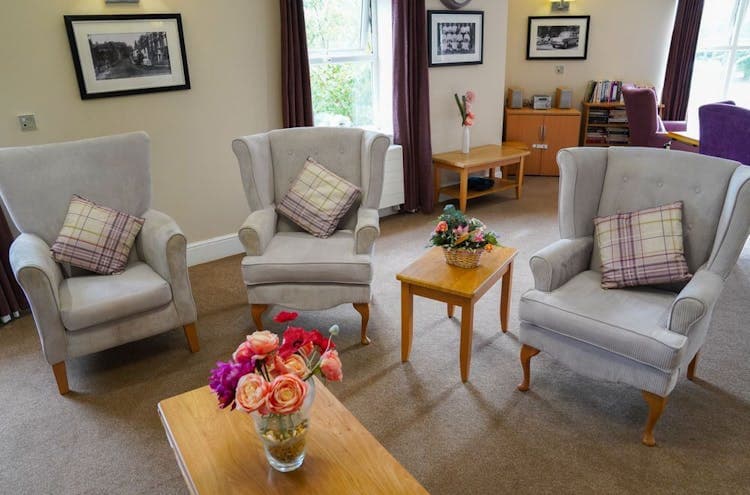
Nestled in the heart of Bushbury, Wolverhampton, Highcroft Hall Care Home is a sanctuary of exceptional residential, respite, and dementia care. The dedicated…
RespiteResidentialDementiaNursing
Knoll House
CQC GoodWoodlands Quaker Care Home
CQC GoodPenn House Residential Home
CQC GoodHermitage Way - Telford
CQC GoodLightmoor View
CQC GoodDementiaNursing
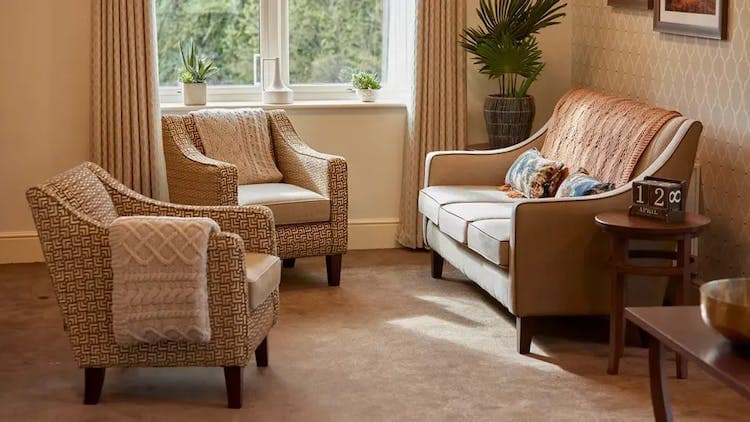
Welcome to Bridge Manor, the latest addition to the Avery Care family of homes. Nestled in the charming village of Wombourne, just a stone's throw away from…
RespiteResidentialDementia
Pear Tree Lane
CQC Good
Newcross Care Home
CQC GoodNewcross is an Avery Healthcare care home in Wolverhampton, offering residential, dementia and respite care with en-suite rooms and a seven-day activities…
RespiteResidentialDementiaNursing
What care costs in Wolverhampton
Residential (avg)
£1,136/week
Dementia (avg)
£1,136/week
Nursing (avg)
£1,075/week
Is Wolverhampton a good retirement location?
Wolverhampton suits people seeking affordable, urban later-life living with good access to shops, healthcare and social groups. Its older population share (26.4%) is well above the national average, meaning a mature retirement community and established support systems. It's a working city, not a quiet retreat—suited to those who want independence, connection and practicality over scenic retreat. Families considering care here will find a range of homes and reasonable fees for the region.
Health & support
- Medical access: Wolverhampton has good GP and pharmacy provision for a city of its size, and is within reach of major hospital services in the wider West Midlands.
- Safety: Recorded crime stands at 214 offences per unit period, with violent crime, shoplifting and criminal damage among the most common reports—above quieter areas, something to factor into your comfort and family visiting patterns.
- Family & connection: Think through where close family and friends are based; Wolverhampton's size and transport links make it reachable from across the Midlands, but a long way from southern England.
Finances & daily life
- Cost of care: Care-home fees in Wolverhampton are broadly affordable for the region; check individual homes for weekly rates, but the area is generally less pricey than southern England or affluent commuter towns.
- Transport: The city has reliable bus networks and rail links to Birmingham and beyond, making onward travel straightforward. City walking is possible but car-dependent for some routes; check specific home locations for neighbourhood walkability.
- Housing options: Wolverhampton has a range of care-home provision, from smaller family-run homes to larger schemes, giving choice in size and setting.
Lifestyle & environment
- Green space & hobbies: Nine parks and ten allotments support outdoor life; a working city with 112 restaurants and cafes and 75 pubs and bars means active social and eating-out culture if that appeals.
- Community: Fifteen community groups and assets—including memory cafes and support groups—are present in and around the city, supporting connection and peer networks.
- Climate: Wolverhampton is inland in the West Midlands, so expect typical UK cool, damp winters and mild summers; it's not among the drier or warmer regions.
Things to weigh up
- Urban crime rate: At 214 recorded offences, this is higher than rural or quieter small-town alternatives; if safety and peace are priorities, weigh this carefully or ask about individual neighbourhood crime figures.
- Busy city environment: Wolverhampton is an active, diverse, working city—not a quiet, purpose-built retirement destination. If you value tranquility and a retirement-focused atmosphere, you may find the bustle a trade-off.
- Distance from south: Wolverhampton is a long journey from southern England; if your family or friends are in the south, regular visiting and support may involve travel time or cost.
Common questions
How many care homes are there in Wolverhampton?
There are 62 care homes listed in and around Wolverhampton on AskBart. You can filter them by care type, CQC rating and facilities to find the right fit.
How much does a care home in Wolverhampton cost?
Care homes in Wolverhampton range from around £850 to around £1,500 per week, with averages of £1,136 for residential, £1,136 for dementia, £1,075 for nursing care. Fees vary by home, care type and the level of support required.
How do care home fees in Wolverhampton compare to the national average?
The average residential care fee around Wolverhampton is about £1,136 per week — below the UK average of £1,279. Individual fees depend on the home, room and level of care.
Which care homes in Wolverhampton are rated Outstanding or Good by the CQC?
45 of the 62 care homes in and around Wolverhampton are rated Good or Outstanding by the Care Quality Commission, including 2 rated Outstanding. Ratings are published by the CQC following regular inspections.
What types of care are available in Wolverhampton?
Homes in and around Wolverhampton offer dementia (10), residential (9), nursing (8), respite (7). Availability varies by home — use the filters above to find homes offering the specific care type you need.
How many care homes in Wolverhampton offer dementia care?
10 care homes in and around Wolverhampton offer specialist dementia care. Use the dementia filter above to see them, and check each home's CQC report for its record on caring for people living with dementia.
Do any care homes in Wolverhampton offer respite care?
Yes — 7 care homes in and around Wolverhampton offer respite (short-stay) care, for recovery after a hospital stay or to give a regular carer a break. Availability changes often, so contact the home directly to check.
How safe is the Wolverhampton area?
Wolverhampton is graded B for safety on AskBart (based on Shropshire) — safer than 37% of similar areas (per head of population). This is drawn from police-recorded crime data and compared against similar areas.
Can I get council funding for care in Wolverhampton?
If the person needing care has savings and assets below £23,250, Shropshire Council may contribute towards fees. You can request a free care needs assessment and financial assessment through the council's adult social care team before choosing a home.
What's included in a care home's weekly fees in Wolverhampton?
A care home's weekly fee in Wolverhampton usually covers accommodation, all meals, day-to-day personal care, housekeeping, laundry and activities. Extras such as hairdressing, chiropody, outings and one-to-one care are often charged separately, so ask each home for a full breakdown of what is and isn't included.
What's the difference between residential and nursing care?
Residential care homes help with everyday personal care — washing, dressing, meals and prompting medication. Nursing homes provide the same support plus a qualified nurse on site around the clock for residents with ongoing medical needs. Homes in Wolverhampton may offer one or both, so check each listing for the care types it provides.
Could the NHS pay for care in Wolverhampton?
If a person's needs are primarily health-related rather than social, they may qualify for NHS Continuing Healthcare, which can fully fund a care-home placement regardless of their savings. Eligibility is decided by the local NHS integrated care board after an assessment — it's separate from means-tested council funding.
How do I choose a care home in Wolverhampton?
Start by shortlisting homes in Wolverhampton by the type of care needed and their CQC rating, then visit in person. On a visit, read the home's latest CQC report, ask about staffing levels and fees, and see how residents are supported day to day. AskBart lists each home's rating, facilities and fees so you can compare before arranging a visit.
Who regulates care homes in Wolverhampton?
Care homes in Wolverhampton are regulated and inspected by the Care Quality Commission (CQC), the independent regulator of health and adult social care in England. The CQC rates each home as Outstanding, Good, Requires Improvement, or Inadequate following regular inspections — you can read each home's latest report on the CQC website.
What other nearby areas have care homes in Shropshire?
If you're widening your search beyond Wolverhampton, nearby areas with care homes include Bridgnorth, Church Stretton, Ludlow, Much Wenlock and Shrewsbury. You can browse each from the list of nearby locations on this page.
Talk to a Wolverhampton care expert.
Our independent advisors know the local homes inside out. Get free, friendly guidance with no obligation — just clear answers when you need them.