 Verified
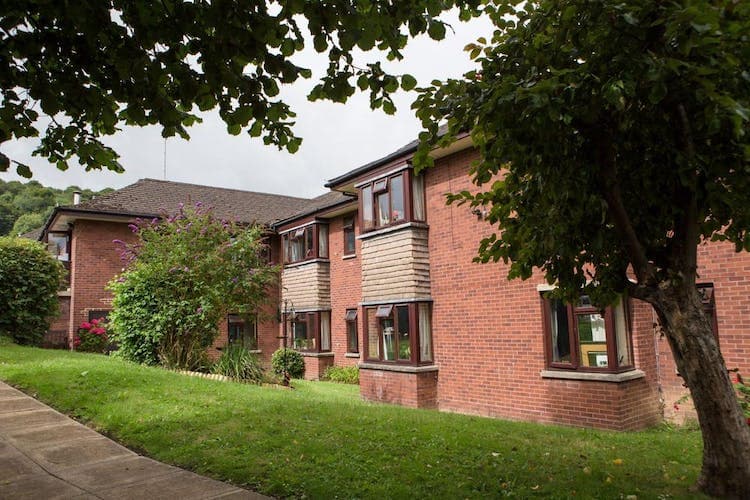
Nestled in the heart of the residential district of Dursley, Henlow Court is a warm and friendly care home that offers top-notch nursing, residential, respite, and day care services. This charming…
from £1215/wk
Stroud is a South West England market town with a notably higher share of residents aged 65+ than the national average, suggesting it's an established retirement area. The town has a modest care-home provision of 5 homes, most rated good by the CQC, and strong local amenities — parks, cafes and pubs — though you'll want to weigh whether the care choices suit your needs.
5 properties
VerifiedNestled in the heart of the residential district of Dursley, Henlow Court is a warm and friendly care home that offers top-notch nursing, residential, respite, and day care services. This charming…
 Verified
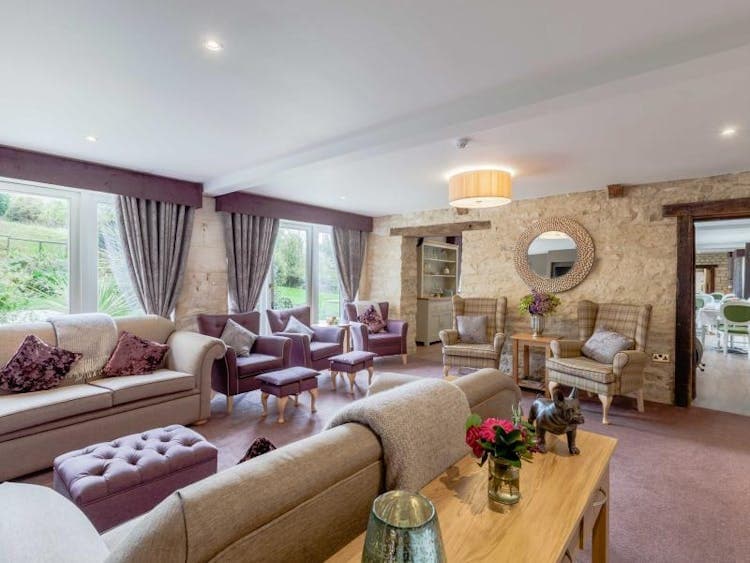
Nestled amidst the stunning vistas of the Cotswolds countryside in Moreton, Moreton Hill is a warm and inviting care home that offers top-notch residential, dementia, nursing, and respite care…
 Verified
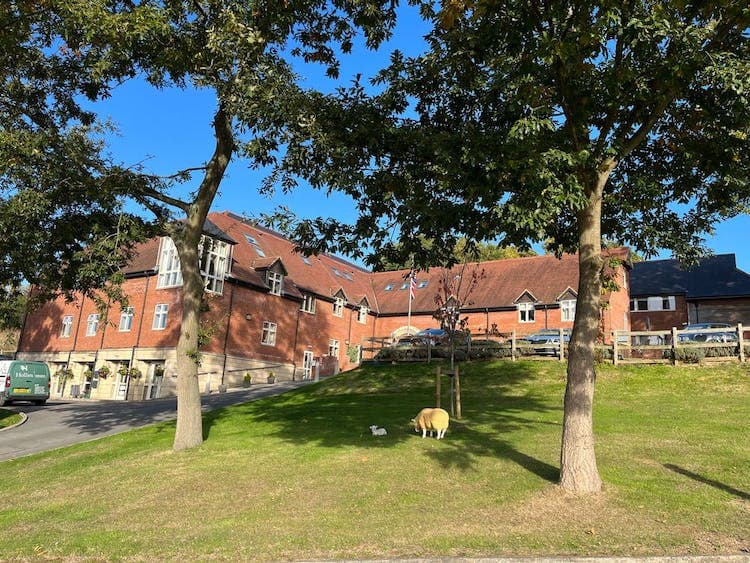
The Hollies is a purpose-built Care UK care home in Dursley, Gloucestershire, offering residential, nursing, respite and end-of-life care with en-suite rooms and Cotswold grounds.
Tell us what matters and a care advisor will shortlist homes for you — free.
 Verified
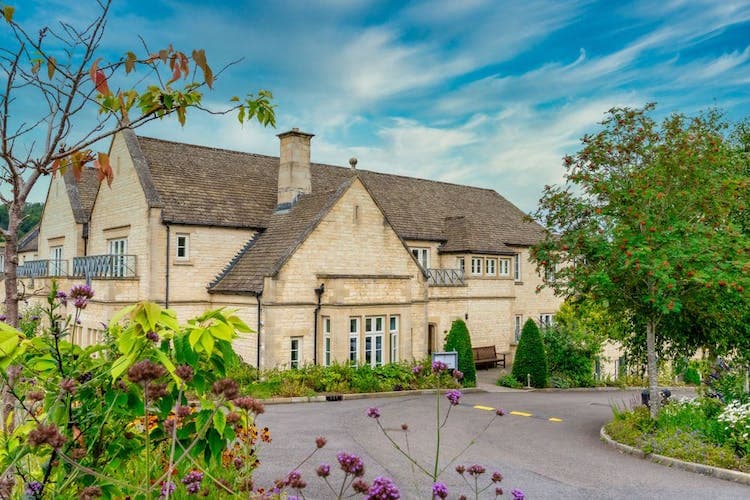
Richmond Villages Painswick is a Bupa retirement village in Painswick, Gloucestershire, with independent and assisted living apartments and a nursing care home, plus a wellness spa.
 Verified
Cotswold House Care Home is a 48-bed nursing home in Stroud, Gloucestershire.
Stroud suits those seeking a smaller-town retirement with genuine community character and good access to green space and social life. The population here is older than the UK average — 22.1% are aged 65+ against a national 18.6% — which suggests a settled retirement community. Care-home choice is modest (5 homes, ranging from 24 to 67 beds), so early research and visits are wise; most are rated good by the CQC, though one requires improvement. It's not a large care centre, so availability and fit matter more than in bigger towns.