Care homes in Brighton
Brighton is a lively seaside town with a well-established older population—26.6% of residents are over 65, well above the national average. It offers a vibrant, arts-focused community and good transport links, though care-home fees and living costs can be steep for the South East region.
Living in Brighton
High Retirement CommunityLow Recorded Crime
What do these badges mean?
- High Retirement Community — An above-average share of residents are aged 65 and over (ONS Census) — often a sign of established later-life communities and services.
- Low Recorded Crime — Ranks among the safer areas of its type on recorded police crime (Police.uk).
SafetyA
Excellent — safer than 68% of similar areas (per head of population)
Based on East Sussex data (town-level not yet available)
Green SpacesC
Limited — parks, playing fields & outdoor space nearby
Based on East Sussex data (town-level not yet available)
Daily ConveniencesC
Limited — shops, supermarkets & places to eat nearby
Based on East Sussex data (town-level not yet available)
How we grade areas
Grades are relative, comparing this area against others of the same type across the UK. Amenity grades are based on OpenStreetMap counts within a fixed radius. The Safety grade ranks recorded police crime — per head of population where ONS figures are available, otherwise by total recorded crime. Figures are estimates to aid research, not a substitute for visiting an area.
Sources — crime: Police.uk, March 2026; amenities: OpenStreetMap, updated June 2026.
How care costs compare
The estimated average residential care fee in Brighton is about £1,587/week, above the UK average of £1,279.
Estimated from published weekly fees for homes in the area. Actual costs vary by care needs and room type.
Council funding & top-up in Brighton
The average residential care home in Brighton costs about £1,587/week, while Brighton and Hove’s published usual rate is around £1,124/week (2025). If you qualify for council funding, expect a likely third-party top-up of about £463/week (≈ £24,076/year) to bridge the gap.
Average fee in Brighton
£1,587/wk
Brighton and Hove usual rate
£1,124/wk
Likely top-up gap
£463/wk
Estimate only. Councils fund care only when the person’s assets are below the means-test threshold, and actual fees, funding and top-ups vary by home, room and assessed needs. Compares the area average against Brighton and Hove’s published usual cost of residential care (2025).
Care homes (53)
Wilbury Gardens
CQC GoodAspen House Care Home
CQC GoodBramble Cottage Retirement Home
CQC GoodCornfield House
CQC Good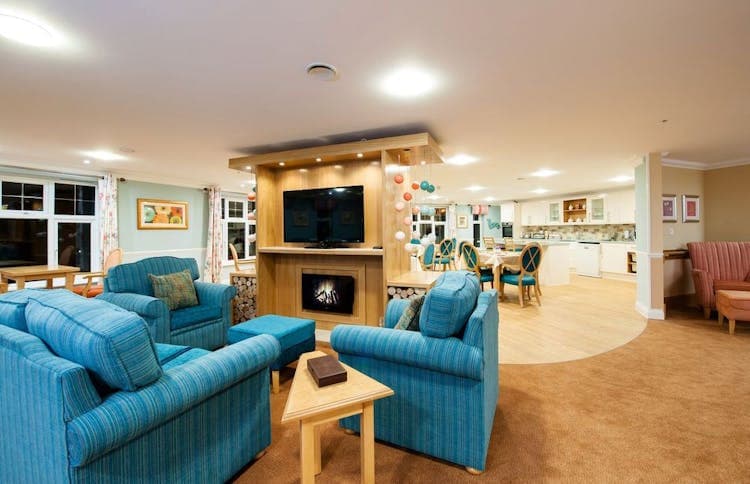
Nestled in the heart of sunny Brighton, Hallmark Maycroft Manor offers a warm and nurturing environment for those in need of nursing, residential, or dementia…
RespiteResidentialDementiaNursing
Brighton and Hove Bethesda Home
CQC Good
Seaway Care Home
CQC GoodSeaway is a small Brighthelm Care nursing home in Hove, offering 24-hour nursing, palliative and respite care for 19 residents near the seafront.
RespiteDementiaNursing
Seaway Nursing Home
CQC GoodCloverdale House
CQC GoodSeaford Head Retirement Home
CQC GoodPlace Farm House
CQC GoodBarford Court
CQC GoodWesterleigh Nursing Home
CQC GoodDementiaNursing
Victoria Highgrove
CQC GoodResidential
The Grange Rest Home Limited
CQC GoodVictoria Chatsworth
CQC GoodAutumn Lodge
CQC GoodWhat care costs in Brighton
Residential (avg)
£1,587/week
Dementia (avg)
£1,490/week
Nursing (avg)
£1,443/week
Is Brighton a good retirement location?
Brighton suits active retirees and those who value cultural life, independent living, and strong social networks over quietness. With a significantly higher share of older residents than the national average, it has infrastructure geared toward retirement living. However, it's pricier than many UK areas, and the town centre can feel busy. Families should weigh proximity carefully: Brighton attracts newcomers as much as long-term residents, so pre-existing local connections matter.
Health & support
- Medical access: GP surgeries and pharmacies are well distributed across the town; the Royal Sussex County Hospital is the main acute provider, within the Brighton and Hove area.
- Safety: Recorded crime in the measured period included violent crime, other theft, and anti-social behaviour; violent crime was the most common category. This is higher than some quieter retirement areas, though common in busy coastal towns.
- Family & connection: Consider whether you have family or long-standing friends nearby—Brighton draws many incomers, so existing networks matter more than in established retirement strongholds.
Finances & daily life
- Cost of care: Care-home fees in Brighton typically sit above the national average for the South East region, reflecting local demand and property costs. Budget carefully and compare schemes, as prices vary.
- Transport: Excellent rail links to London and other major cities; local buses serve the town well. The seafront and central areas are walkable; some outer residential roads are car-dependent.
- Housing options: A range of care homes and retirement schemes operate in and around Brighton, reflecting its popularity as a retirement destination.
Lifestyle & environment
- Green space & hobbies: Preston Park and wild parkland to the north offer green space and walking routes. The seafront provides a focal point for daily life. The town is known for its arts, theatre, and cultural events.
- Community: A well-established older community supports memory cafés, social groups, and support networks; the town's arts and LGBTQ+ cultures add to a socially active environment.
- Climate: South East England coastal climate: mild winters and moderate summers, with higher rainfall in autumn and winter. Sea air and exposure mean conditions are changeable.
Things to weigh up
- Crime and busyness: Violent crime and anti-social behaviour are recorded at higher rates than in quieter areas; the town centre and seafront can feel crowded, especially in summer.
- Cost of living: Care fees and local costs are above the national average, making Brighton a pricier choice for long-term care budgets.
- Transient population: Brighton attracts younger and middle-aged incomers as well as retirees, so the town lacks the tight-knit, established-elder character of some quieter retirement towns.
Common questions
How many care homes are there in Brighton?
There are 53 care homes listed in and around Brighton on AskBart. You can filter them by care type, CQC rating and facilities to find the right fit.
How much does a care home in Brighton cost?
Care homes in Brighton range from around £1,200 to around £1,840 per week, with averages of £1,587 for residential, £1,490 for dementia, £1,443 for nursing care. Fees vary by home, care type and the level of support required.
How do care home fees in Brighton compare to the national average?
The average residential care fee around Brighton is about £1,587 per week — above the UK average of £1,279. Individual fees depend on the home, room and level of care.
Which care homes in Brighton are rated Outstanding or Good by the CQC?
51 of the 53 care homes in and around Brighton are rated Good or Outstanding by the Care Quality Commission. Ratings are published by the CQC following regular inspections.
What types of care are available in Brighton?
Homes in and around Brighton offer nursing (8), residential (8), dementia (7), respite (6). Availability varies by home — use the filters above to find homes offering the specific care type you need.
How many care homes in Brighton offer dementia care?
7 care homes in and around Brighton offer specialist dementia care. Use the dementia filter above to see them, and check each home's CQC report for its record on caring for people living with dementia.
Do any care homes in Brighton offer respite care?
Yes — 6 care homes in and around Brighton offer respite (short-stay) care, for recovery after a hospital stay or to give a regular carer a break. Availability changes often, so contact the home directly to check.
How safe is the Brighton area?
Brighton is graded A for safety on AskBart (based on East Sussex) — safer than 68% of similar areas (per head of population). This is drawn from police-recorded crime data and compared against similar areas.
Can I get council funding for care in Brighton?
If the person needing care has savings and assets below £23,250, East Sussex Council may contribute towards fees. You can request a free care needs assessment and financial assessment through the council's adult social care team before choosing a home.
What's included in a care home's weekly fees in Brighton?
A care home's weekly fee in Brighton usually covers accommodation, all meals, day-to-day personal care, housekeeping, laundry and activities. Extras such as hairdressing, chiropody, outings and one-to-one care are often charged separately, so ask each home for a full breakdown of what is and isn't included.
What's the difference between residential and nursing care?
Residential care homes help with everyday personal care — washing, dressing, meals and prompting medication. Nursing homes provide the same support plus a qualified nurse on site around the clock for residents with ongoing medical needs. Homes in Brighton may offer one or both, so check each listing for the care types it provides.
Could the NHS pay for care in Brighton?
If a person's needs are primarily health-related rather than social, they may qualify for NHS Continuing Healthcare, which can fully fund a care-home placement regardless of their savings. Eligibility is decided by the local NHS integrated care board after an assessment — it's separate from means-tested council funding.
How do I choose a care home in Brighton?
Start by shortlisting homes in Brighton by the type of care needed and their CQC rating, then visit in person. On a visit, read the home's latest CQC report, ask about staffing levels and fees, and see how residents are supported day to day. AskBart lists each home's rating, facilities and fees so you can compare before arranging a visit.
Who regulates care homes in Brighton?
Care homes in Brighton are regulated and inspected by the Care Quality Commission (CQC), the independent regulator of health and adult social care in England. The CQC rates each home as Outstanding, Good, Requires Improvement, or Inadequate following regular inspections — you can read each home's latest report on the CQC website.
What other nearby areas have care homes in East Sussex?
If you're widening your search beyond Brighton, nearby areas with care homes include Brighton and Hove, Eastbourne, Hastings, Lewes and Rother. You can browse each from the list of nearby locations on this page.
Talk to a Brighton care expert.
Our independent advisors know the local homes inside out. Get free, friendly guidance with no obligation — just clear answers when you need them.