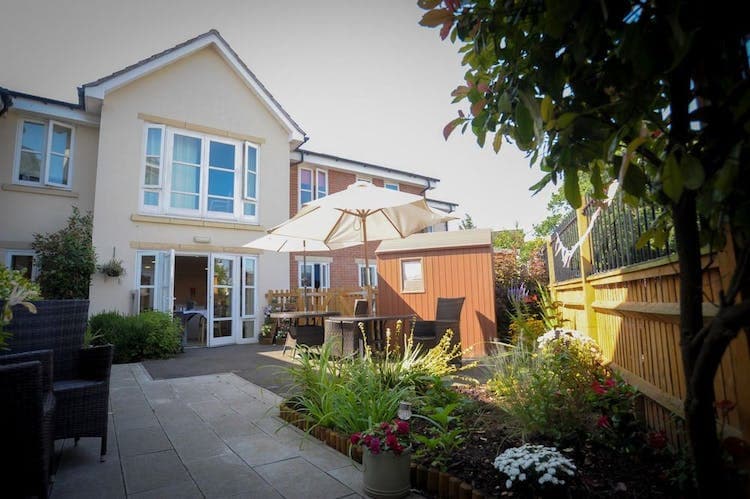
Care homes in Southend-on-Sea

Southend-on-Sea is a well-established seaside retirement destination with a notably higher share of older residents than the UK average. It offers reasonable access to local healthcare, a sheltered seafront setting, and solid community provision — though care-home choice here is limited, and you'll want to weigh the cost of living and ongoing travel needs carefully.

4 properties

4 homes found
Hallmark Admiral Court Care HomeVerified

Nestled in the tranquil town of Leigh-on-Sea, Hallmark Admiral Court is a premier care home that is part of the esteemed Hallmark Luxury Care Homes group. This state-of-the-art facility offers…

from £1790/wk
View home
Verified

Catherine Miller House is a 30-bed residential care home in Leigh-on-Sea, Essex, providing care for older people aged 65 and over, with specialist support…

View home

Overwhelmed by choice?

Tell us what matters and a care advisor will shortlist homes for you — free.

Get a free shortlist

Is Southend-on-Sea a good retirement location?

Southend-on-Sea suits those drawn to a seaside retirement with family nearby or strong local roots. The town has a well-above-average population of over-65s (20.8% versus the national 18.6%), signalling an established retirement community. Care-home provision is limited — just one listed here — so you'll need to explore options across a wider area or consider independent living; costs sit broadly in line with regional averages for the East of England. It's ideal if you value seafront walks, established social networks, and quieter pace over maximum choice.

Health & support

  • Medical access: Several GP surgeries serve the town, and a pharmacy is within easy reach of most residential areas. Southend Hospital is the main emergency facility locally.
  • Safety: Recorded crime stood at 984 offences in April 2026, with violent crime, antisocial behaviour and criminal damage among the most common types. This sits on the higher side for a retirement-focused town; weigh this against your own comfort and the area you're considering.
  • Family & connection: Consider how close your family network is. A seaside location can feel isolating if support is distant, but rewarding if relatives are local or visit regularly.

Finances & daily life

  • Cost of care: Care-home fees in the region are broadly in line with the East of England average; compare specific homes' charges against your budget and national benchmarks before committing.
  • Transport: Bus services connect the town to surrounding areas and nearby cities. The railway offers links inland. Many seafront areas are walkable, though some neighbourhoods are car-dependent; check mobility and transport access for your chosen location.
  • Housing options: Care-home provision here is limited — only one listed. You may need to explore homes in neighbouring areas, consider independent retirement housing, or look further afield for greater choice.

Lifestyle & environment

  • Green space & hobbies: Fourteen parks and four allotments offer outdoor space. The seafront provides walking and a seaside atmosphere. A good range of restaurants, cafes (127) and pubs (41) support social eating and community gathering.
  • Community: Supermarkets (12) are widely available for daily needs. A well-established older-adult population suggests active social groups and memory services, though you should verify these directly with local organisations.
  • Climate: The East of England experiences a temperate maritime climate — mild winters and cool summers with variable rainfall. Seafront living can mean exposure to salt spray and coastal winds.

Things to weigh up

  • Limited care-home choice: Only one care home is listed locally. If this doesn't suit your needs or preferences, you'll need to explore homes in neighbouring towns or consider alternatives such as sheltered housing or independent living.
  • Recorded crime above typical: With higher recorded violent crime and antisocial behaviour, some neighbourhoods may feel less safe than quieter retirement towns. Visit at different times and speak to current residents before deciding.
  • Seaside isolation: While the seafront is a draw, distance from family or inland support networks can become a real burden if mobility or health decline. Ensure transport links and local connections are strong before committing.