Care homes in East Cambridgeshire

East Cambridgeshire offers a quieter alternative to city-centre retirement, with a slightly older population profile and solid local care provision. The area has modest day-to-day services and good access to Cambridge, but choosing here means weighing limited care-home choice against a genuinely tight-knit community feel.

2 properties

2 homes found
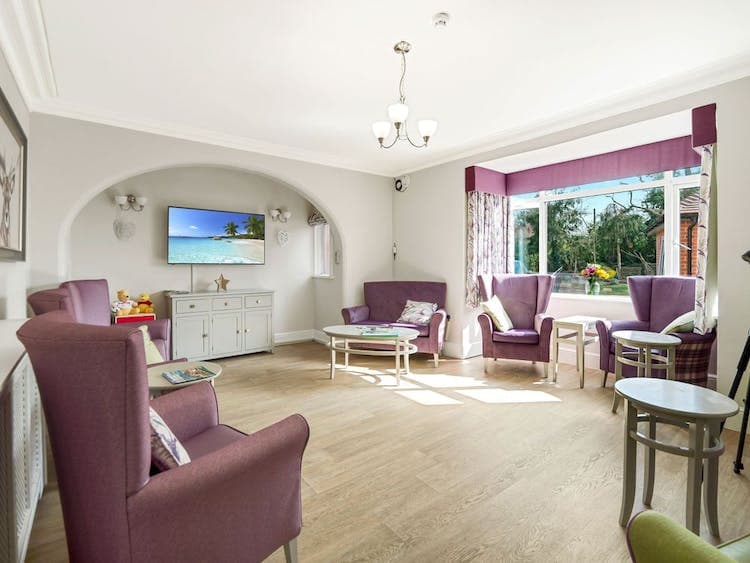
The Orchards Care HomeVerified

Nestled amidst the beauty of lush landscaped gardens, The Orchards care home is a serene haven located just a short, leisurely 10-minute stroll from the quaint village of Wroughton. This location is…
from £1100/wk
View home
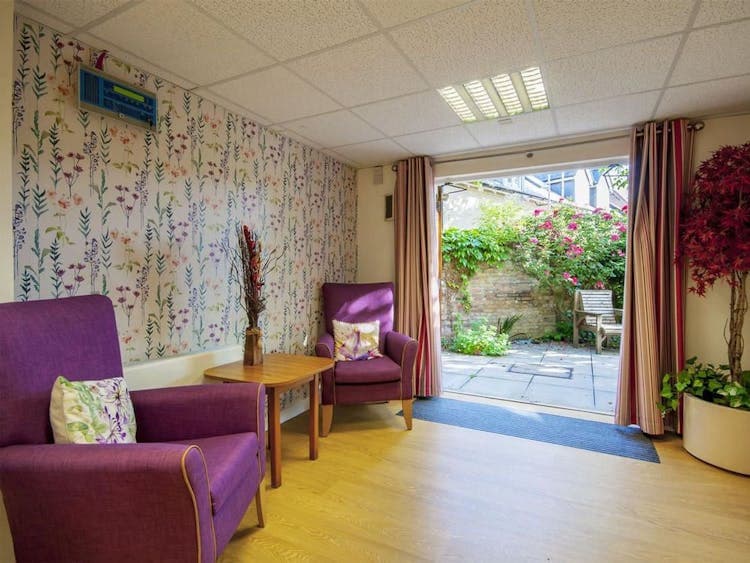
Vera James House Care HomeVerified

Nestled in the picturesque Cathedral City of Ely, you'll find Vera James House, a specially designed care home dedicated to providing exceptional 24-hour residential, dementia, and end of life care…

from £1295/wk
View home

Is East Cambridgeshire a good retirement location?

East Cambridgeshire suits people who value countryside living and don't need to be at the heart of a major conurbation. The population is slightly older than the national average (19% over 65, vs 18.6% nationally), which reflects a settled retirement community rather than a destination boom. However, care-home choice is limited—only two homes are listed locally—so availability and fit matter more here than in larger towns. This is a place to retire if you have family nearby, enjoy rural walks and a quieter pace, and are prepared to plan care housing early.

Health & support

  • Medical access: You will need to confirm GP and pharmacy access with your local surgery, as these depend on which part of East Cambridgeshire you choose. Cambridge itself, with its major hospital, is within reach by car or public transport.
  • Safety: Recorded crime is low: 80 offences in the most recent report, with violent crime and anti-social behaviour the main categories. This is a safe area by national standards.
  • Family & connection: East Cambridgeshire's tight-knit character means neighbours and community often know one another well. If your family is scattered, consider how much you'll rely on local friendships and whether care staff will become your primary support network.

Finances & daily life

  • Cost of care: Weekly care-home fees in this region sit close to or slightly below the national average, making it broadly affordable compared to the South East and London commuter belt. Confirm exact rates with individual homes—availability may limit your choices.
  • Transport: Buses connect East Cambridgeshire to Cambridge and surrounding market towns. Rail links serve Cambridge and beyond, useful if you need to travel further afield or if family visits depend on good connections. The area is car-dependent for many day-to-day trips, so consider your mobility and whether you're comfortable relying on taxis or community transport as driving becomes harder.
  • Housing options: Only two care homes are listed locally, both rated Good by the CQC and ranging from roughly 42 to 48 beds. This is a small pool, so you'll want to view both and plan ahead if care becomes necessary.

Lifestyle & environment

  • Green space & hobbies: The area has 32 parks and 3 allotments, reflecting good outdoor provision for walking and gardening. A range of 35 restaurants and cafes and 14 pubs and bars gives you social and eating-out options, though choice is quieter than you'd find in a city.
  • Community: Village and market-town life naturally foster social connection, though you'll want to check whether your chosen area runs memory cafés, befriending schemes or organised groups. Many older residents find this slower pace suits them well.
  • Climate: East Anglia has a cool, relatively dry climate with brisk winters and mild summers; it can feel exposed to wind and rain coming off the North Sea, so prepare for changeable weather.

Things to weigh up

  • Limited care-home choice: Only two homes are listed, both Good-rated but small (42–48 beds each). If your preferences don't align with either, or if one fills quickly, options are tight. Plan and visit early.
  • Car dependency: Rural Cambridgeshire requires a car for many errands unless you live in or very close to a market town. As mobility declines, public transport and community schemes become more important—check these before committing.
  • Quieter social scene: If you thrive on frequent cafes, clubs and organised groups, larger towns or cities will feel livelier. East Cambridgeshire suits people who enjoy a slower rhythm and close neighbourly ties.