Expert Guide To Care Home Visiting Rights: Legal Protections In 2025!

When care homes limit visitor access, it can create a delicate tension between legal rights and emotional needs. This article explores that intricate balance, offering insights into how you can navigate these difficult situations with clarity. You’ll gain an understanding of the legal framework that governs visiting rights, while also addressing the emotional aspects that come into play when family connections are restricted. Whether you're a concerned family member or a care home professional, this guide offers practical advice to navigate these delicate scenarios with empathy and legal awareness. Let’s dive in.

Legal Right To Family Visits
Residents in care homes possess the same fundamental rights as consumers to interact with their family and friends. This holds irrespective of whether their care is self-funded or supported by local authorities. Residing in a care home does not diminish their rights; in fact, facilitating these vital connections is a responsibility of the care home, as per the Health and Social Care Act 2008. Adherence to this may result in the care home breaching regulations.
Additionally, under Article 8 of the European Convention on Human Rights, integrated into the Human Rights Act 1998, every individual, including care home residents, is entitled to respect for their private and family life. However, these rights are balanced against the rights of others, allowing care homes to impose necessary restrictions under certain circumstances.
Can Visits Be Restricted?
The dynamics of care homes are complex, often leading to heightened emotions from families and staff. Misunderstandings or disagreements can escalate, potentially leading to restrictions on visitations. It is essential to be aware of the specific clauses in the care home contract that outline acceptable visitor behavior and the consequences of violations.
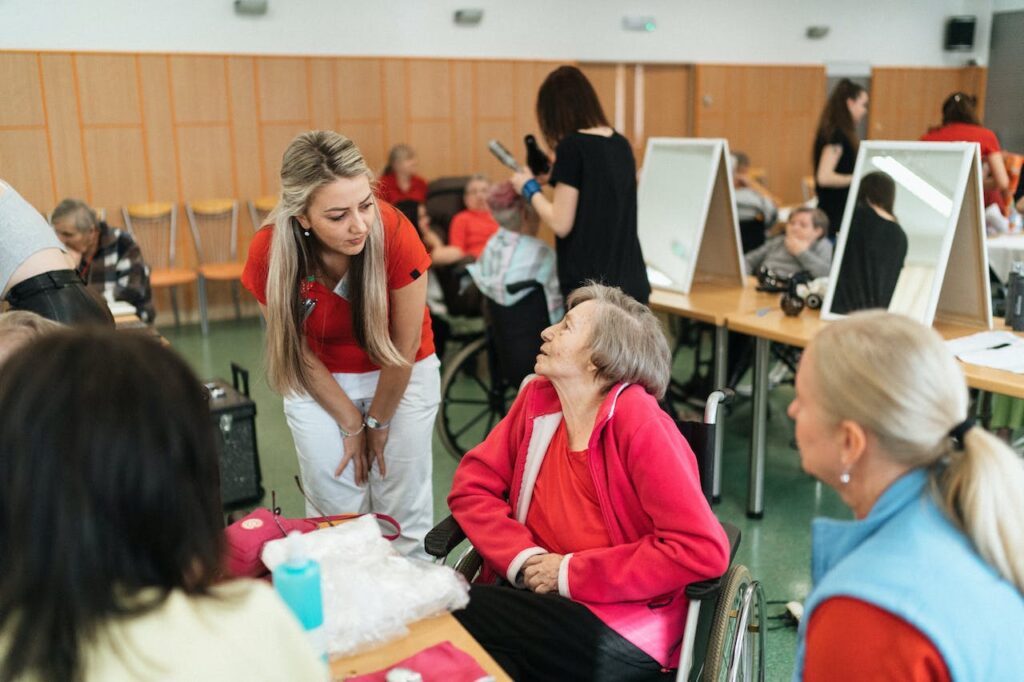
Care homes, while needing to ensure a safe environment for all, must also consider the impact of visitor restrictions on residents. Banning visitors should only be considered a last resort. Regulatory bodies, such as the CQC, enforce standards to respect the relationship between residents and their families, ensuring fair treatment even in cases of disputes.
Challenging A Visit Ban
If faced with a ban, initiating a conversation with the care home management is the recommended first step. Escalating to formal complaints procedures involving adult social services or the Local Government and Social Care Ombudsman may be necessary if initial talks fail. However, it's important to note that care regulators typically do not intervene in individual disputes but can be contacted regarding broader care and support issues.
Power Of Attorney And Visiting Rights
Holding a Power of Attorney, especially for Health and Welfare, carries significant responsibilities and rights. Care homes should not restrict visitations that impede the execution of these legal duties. Conversely, if you possess Power of Attorney, you can limit visits from certain individuals for safety reasons. Disagreements over the actions of a Power of Attorney holder can be addressed through the Court of Protection, provided substantial evidence is presented.
Visiting Rights In End-Of-Life Care
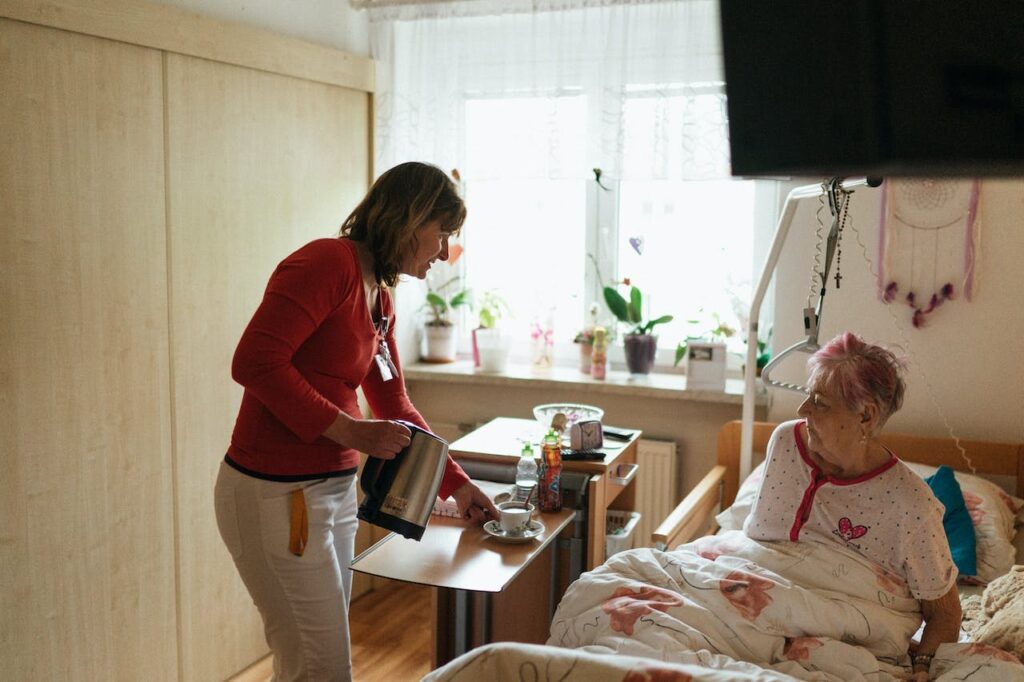
Government guidelines emphasize the importance of visits for residents in end-of-life care, regardless of infection risks. This highlights the necessity of emotional support during these critical times.
Legal Developments In England And Scotland
Recent legislative advancements in England are set to enshrine the right to care home visits as a fundamental standard within CQC regulations. This move aims to ensure that visitation rights are on par with other essential aspects of care, such as access to food and qualified staff.
In Scotland, the implementation of Anne's Law and new Health and Social Care Standards solidifies the rights of residents to receive visits and care from loved ones, even during infection outbreaks. These standards empower residents to nominate individuals for regular visits and involvement in their care.
Wales: A Balanced Approach
In Wales, care homes are mandated to provide private spaces for residents to meet visitors, separate from their living areas. Any restrictions on visitations due to infections like COVID-19 must be proportional to the risk to residents and staff, ensuring a balanced approach to health and emotional well-being.
These developments and guidelines highlight the evolving landscape of care home visitation rights, emphasizing the need for a harmonious balance between safety, legal rights, and emotional connections.
10 Strategies For Resolving Disputes Between Care Homes And Families Over Visitor Access?
Resolving disputes between care homes and families over visitor access requires a compassionate, informed approach that respects the rights and needs of all parties involved. Here are some effective strategies:
- Open Communication: Establish a dialogue between the family and care home staff. Encourage honest and respectful conversations to understand each party's concerns and perspectives. This can often defuse tensions and lead to mutual understanding.
- Mediation and Conflict Resolution: In cases where direct communication is challenging, consider involving a neutral third party to mediate. Professional mediators specialized in elder care can help navigate the complexities of these situations and facilitate a resolution.
- Review and Utilize Contracts and Agreements: Both parties should thoroughly review the care home's policies and the resident's contract. Understanding the terms and conditions regarding visitation can clarify rights and responsibilities, providing a foundation for discussions.
- Involve Advocacy Groups: Families can seek support and advice from advocacy groups or organizations specializing in elder care rights. These groups can offer guidance on legal rights and how to approach disputes with care homes.
- Understanding Legal Rights: Both parties must be informed about the legal rights of the residents. This includes familiarity with relevant laws and regulations, such as the UK's Health and Social Care Act and the Human Rights Act. Knowing these rights can help frame discussions constructively.
- Complaint Procedures: If initial attempts at resolution are unsuccessful, families should follow the care home's formal complaint procedure. Keeping detailed records of all communications and events can be beneficial during this process.
- Escalation to Regulatory Bodies: If the dispute remains unresolved, it may be necessary to escalate it to regulatory bodies like the UK Care Quality Commission (CQC). While these bodies do not resolve individual disputes, they can take action if a care home is found to be in breach of standards.
- Legal Counsel: In extreme cases where resolution is not forthcoming, consulting legal counsel may be necessary. Legal experts specializing in elder law can advise on the best action and represent the family's interests.
- Ongoing Monitoring and Feedback: After resolving the dispute, it's beneficial to establish a system for ongoing communication and feedback between the family and the care home. This can prevent misunderstandings and ensure the resident's needs are continuously met.
- Focus on the Resident's Well-being: Throughout the dispute resolution process, the primary focus should always be on the well-being and preferences of the care home resident. Decisions should be made in their best interest, considering their health, happiness, and quality of life.
By employing these strategies, disputes over visitor access can be approached with a balanced and respectful mindset, aiming for solutions that honor the dignity and rights of care home residents while maintaining necessary safety and care standards.
10 Specific Clauses In Care Home Contracts Outline Acceptable Visitor Behavior?
Resolving disputes between care homes and families over visitor access requires a compassionate, informed approach that respects the rights and needs of all parties involved. Here are some effective strategies:
- Open Communication: Establish a dialogue between the family and care home staff. Encourage honest and respectful conversations to understand each party's concerns and perspectives. This can often defuse tensions and lead to mutual understanding.
- Mediation and Conflict Resolution: In cases where direct communication is challenging, consider involving a neutral third party to mediate. Professional mediators specialized in elder care can help navigate the complexities of these situations and facilitate a resolution.
- Review and Utilize Contracts and Agreements: Both parties should thoroughly review the care home's policies and the resident's contract. Understanding the terms and conditions regarding visitation can clarify rights and responsibilities, providing a foundation for discussions.
- Involve Advocacy Groups: Families can seek support and advice from advocacy groups or organizations specializing in elder care rights. These groups can offer guidance on legal rights and how to approach disputes with care homes.
- Understanding Legal Rights: Both parties must be informed about the legal rights of the residents. This includes familiarity with relevant laws and regulations, such as the UK's Health and Social Care Act and the Human Rights Act. Knowing these rights can help frame discussions constructively.
- Complaint Procedures: If initial attempts at resolution are unsuccessful, families should follow the care home's formal complaint procedure. Keeping detailed records of all communications and events can be beneficial during this process.
- Escalation to Regulatory Bodies: If the dispute remains unresolved, it may be necessary to escalate it to regulatory bodies like the UK Care Quality Commission (CQC). While these bodies do not resolve individual disputes, they can take action if a care home is found to be in breach of standards.
- Legal Counsel: In extreme cases where resolution is not forthcoming, consulting legal counsel may be necessary. Legal experts specializing in elder law can advise on the best action and represent the family's interests.
- Ongoing Monitoring and Feedback: After resolving the dispute, it's beneficial to establish a system for ongoing communication and feedback between the family and the care home. This can prevent misunderstandings and ensure the resident's needs are continuously met.
- Focus on the Resident's Well-being: Throughout the dispute resolution process, the primary focus should always be on the well-being and preferences of the care home resident. Decisions should be made in their best interest, considering their health, happiness, and quality of life.
By employing these strategies, disputes over visitor access can be approached with a balanced and respectful mindset, aiming for solutions that honor the dignity and rights of care home residents while maintaining necessary safety and care standards.
10 Tips To Help Resolve A Dispute
Resolving disputes between care homes and families over visitor access requires a compassionate, informed approach that respects the rights and needs of all parties involved. Here are some effective strategies:
- Open Communication: Establish a dialogue between the family and care home staff. Encourage honest and respectful conversations to understand each party's concerns and perspectives. This can often defuse tensions and lead to mutual understanding.
- Mediation and Conflict Resolution: In cases where direct communication is challenging, consider involving a neutral third party to mediate. Professional mediators specialized in elder care can help navigate the complexities of these situations and facilitate a resolution.
- Review and Utilize Contracts and Agreements: Both parties should thoroughly review the care home's policies and the resident's contract. Understanding the terms and conditions regarding visitation can clarify rights and responsibilities, providing a foundation for discussions.
- Involve Advocacy Groups: Families can seek support and advice from advocacy groups or organizations specializing in elder care rights. These groups can offer guidance on legal rights and how to approach disputes with care homes.
- Understanding Legal Rights: Both parties must be informed about the legal rights of the residents. This includes familiarity with relevant laws and regulations, such as the UK's Health and Social Care Act and the Human Rights Act. Knowing these rights can help frame discussions constructively.
- Complaint Procedures: If initial attempts at resolution are unsuccessful, families should follow the care home's formal complaint procedure. Keeping detailed records of all communications and events can be beneficial during this process.
- Escalation to Regulatory Bodies: If the dispute remains unresolved, it may be necessary to escalate it to regulatory bodies like the UK Care Quality Commission (CQC). While these bodies do not resolve individual disputes, they can take action if a care home is found to be in breach of standards.
- Legal Counsel: In extreme cases where resolution is not forthcoming, consulting legal counsel may be necessary. Legal experts specializing in elder law can advise on the best action and represent the family's interests.
- Ongoing Monitoring and Feedback: After resolving the dispute, it's beneficial to establish a system for ongoing communication and feedback between the family and the care home. This can prevent misunderstandings and ensure the resident's needs are continuously met.
- Focus on the Resident's Well-being: Throughout the dispute resolution process, the primary focus should always be on the well-being and preferences of the care home resident. Decisions should be made in their best interest, considering their health, happiness, and quality of life.
By employing these strategies, disputes over visitor access can be approached with a balanced and respectful mindset, aiming for solutions that honor the dignity and rights of care home residents while maintaining necessary safety and care standards.
Conclusion
In navigating the delicate balance of visitation rights in care homes, the key lies in empathy, open communication, and an informed understanding of legal and personal boundaries. Remember, the heart of this matter is the well-being and dignity of our loved ones in care homes. By embracing strategies like respectful dialogue, mediation, and understanding legal frameworks, families can effectively advocate for their rights while respecting the operational challenges of care homes. It's crucial to approach disputes not as confrontations but as opportunities to enhance the quality of life for those we care about. The risks of unresolved conflicts can strain relationships and impact the emotional health of residents, but with a proactive and informed approach, these situations can often be resolved amicably. Stay informed, be empathetic, and remember that, at the end of the day, it's about ensuring the best care and happiest life possible for those in care homes. With this mindset, you're not only safeguarding the rights of your loved ones but also contributing to a culture of understanding and respect in the realm of elder care.
Useful Links To Learn More
- Age UK - Visiting someone in a care home
Provides guidance on the rights and best practices when visiting loved ones in care homes, including current visiting policies and support. - Care Quality Commission (CQC) - Visiting rights in care homes
Details about regulations and rights regarding visits to care homes across the UK, ensuring quality care and maintaining contact with residents. - Relatives & Residents Association
Offers advice and support for families and friends on visiting and engaging with care home residents, ensuring their rights are respected. - Gov.uk - Guidance on visiting care homes during COVID-19
Official government guidelines on care home visits, including restrictions and allowances in times of national health emergencies. - National Care Forum - Family Visiting Rights
A comprehensive resource offering insight into family visiting policies and how to navigate any challenges related to care home visitations.
Keep reading

10 Inspiring Dementia Care Home Decorating Ideas For 2025!
Explore dementia care home decorating ideas to create a safe, calming, and familiar environment that supports residents' well-being

Dementia Live In Care - An Expert Guide For 2025!
Discover everything you need to know about dementia live-in care, from benefits to caregiving tips, ensuring the best support for your loved ones.

Care Home Contracts - An Expert Guide For 2025!
Understand care home contracts with this guide, ensuring clarity on terms, fees, and rights before making important decisions for your loved ones.
Need personal guidance?
Talk to an advisor
Our care experts are here to help you make the right choice — for free.